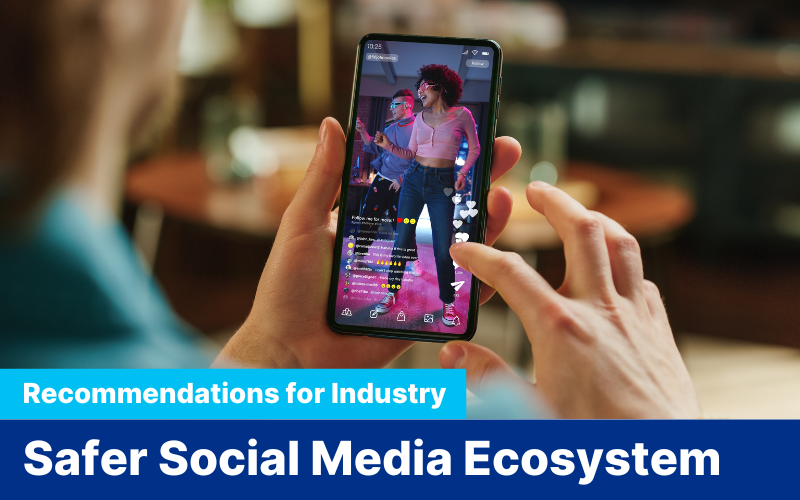
In 2025, social media isn’t about merely posting content or chasing followers. It has evolved into a complex, data-driven ecosystem where strategy, psychology, and technology converge. For advanced strategists and experienced creators, success depends on mastering the deep mechanics of how algorithms, audience behaviors, and platform structures interact. This article explores five powerful levers reshaping how elite brands and creators dominate digital attention — moving far beyond basic tactics.
Architecting Platform-Aware Content Systems
Understanding the Algorithm Ecosystem
Every platform has matured into a dynamic content ecosystem. The algorithm doesn’t just determine visibility — it dictates content lifespan, audience clustering, and even cultural trends. Modern social media mastery means designing content that naturally fits within the rhythm of the algorithm rather than trying to hack it. Understanding feed velocity, recommendation logic, and attention loops helps brands anticipate what the system values most.
Building Content Systems, Not Isolated Posts
Advanced social media teams don’t create random viral attempts; they design interconnected content ecosystems. Each idea becomes a reusable asset within a structured flow.
-
Core content: Long-form assets that define the central narrative.
-
Micro content: Short snippets, reels, or quotes derived from core material.
-
Engagement triggers: Polls, comments, and Q&A that stimulate interaction.
-
Repurpose plan: Reuse proven content with updated data or visuals.
This modular design extends creative shelf life, improving both reach and consistency without extra effort.
Utilizing Feedback Loops for Optimization
Algorithms feed on behavioral data — not just likes, but dwell time, replays, and saves. Successful brands use iterative feedback loops: monitoring audience retention, analyzing performance metrics, and refining every next post. This systematic recalibration creates exponential growth, as each round of data sharpens your strategy.
Micro-Segmentation and Behavioral Targeting
Beyond Demographics
The days of defining audiences by age or geography are over. Today’s advanced targeting focuses on behavioral micro-segments — niche clusters defined by their engagement habits, consumption patterns, and emotional triggers. For instance, two 25-year-olds might both follow your brand, but one engages during morning commutes while the other responds to late-night memes. Each requires a distinct message and delivery style.
Reading and Using Behavioral Signals
Behavioral signals — such as time spent per content type, repeat visits, and share chains — reveal far more than demographics ever could. They indicate intent and emotional investment. Tracking these helps identify micro-communities that deserve specialized content. Brands that adapt messaging around these patterns see higher conversions and brand loyalty.
Creating Personalized Experience at Scale
Personalization at scale means delivering content variations tailored to each micro-segment.
-
Analytical users receive data-rich infographics.
-
Explorative users see narrative-driven stories.
-
Community-driven users engage with polls or live sessions.
By designing adaptive content journeys, you move from “broad reach” to deep relevance, which is the new currency of social engagement.
The Creator Ecosystem Strategy
Moving Beyond Influencer Marketing
Influencer partnerships used to be transactional — a single post for a fee. But in 2025, advanced brands build creator ecosystems that merge creativity, distribution, and credibility. Micro and nano-creators, though smaller in following, often outperform celebrity influencers in engagement and trust. They create genuine, localized narratives that align perfectly with niche audiences.
Designing Multi-Layered Creator Networks
Think of your creators as parts of an integrated distribution network.
-
Seed creators initiate authentic, trend-aligned content.
-
Amplifiers expand the narrative across multiple segments.
-
Trend adopters experiment with new formats to boost algorithmic favor.
This layered structure ensures that content spreads organically, compounding reach while maintaining authenticity.
Building Reciprocal Value
Long-term creator collaborations work best when value is mutual. Instead of flat payments, brands now explore revenue-sharing models, co-branded products, and creator-led campaigns. When creators have a stake in the outcome, their storytelling becomes more passionate and persuasive — driving sustained engagement.
Managing Algorithmic Risk and Ethical Challenges
Understanding Algorithmic Risk
Social media algorithms thrive on engagement, but not all engagement is healthy. Controversial or polarizing content can boost short-term visibility while harming brand trust. Ethical social strategy involves balancing visibility with integrity, ensuring that your content aligns with brand values and social responsibility.
Strategies to Navigate Ethical Challenges
-
Audit algorithmic performance to identify sudden drops or bias.
-
Establish internal content guidelines that define what’s off-limits.
-
Diversify platform presence to minimize dependency on a single algorithm.
-
Invest in community moderation to ensure a safe, inclusive environment.
Ethical consistency not only mitigates risk but also strengthens brand reputation in an increasingly skeptical digital landscape.
Turning Ethics into a Competitive Edge
Transparent moderation and authenticity have become algorithmic advantages. Platforms reward consistent, trustworthy engagement. Brands that emphasize safety, fact-checking, and inclusivity are favored by both algorithms and users — a double win for credibility and growth.
Meta-Data and Content Intelligence
Beyond Surface-Level Metrics
Likes and shares are vanity metrics. Advanced marketers focus on meta-data such as retention curves, engagement velocity, scroll-pause time, and rewatch rates. These deep metrics indicate whether your content resonates cognitively and emotionally — the real driver of sustained visibility.
Content Intelligence Systems
Content intelligence combines AI-driven analysis with human creativity. By studying how audiences move through the content journey — from the first frame to comment activity — strategists can predict what will perform next. Predictive analytics and machine learning now enable brands to forecast engagement before publishing.
Integrating Meta-Data into Creative Strategy
Once meta-data insights are gathered, the next step is turning them into actionable creative decisions. Adjust storytelling pace, tone, or visual rhythm based on what your data reveals. This tight feedback loop between analytics and creativity builds smarter, more resilient campaigns.
Future of Social Media Ecosystems
The future belongs to those who can balance automation and authenticity. Social media is becoming a hybrid ecosystem of human creativity and algorithmic logic. Brands that master adaptive strategies — integrating data, behavior, and ethics — will not only thrive in the feeds but shape digital culture itself.
FAQs
1. What’s the difference between a content system and a content calendar?
A content system is dynamic and data-driven, built on repurposing, feedback, and iteration, while a calendar is a scheduling tool for static posting.
2. How can behavioral micro-segmentation improve ROI?
By focusing on smaller, high-intent audiences, you allocate resources where engagement and conversion are highest, reducing wasted impressions.
3. Are algorithms biased, and how can brands address this?
Yes, algorithms reflect user data biases. Brands can mitigate this through diverse content representation and regular performance audits.
4. How important is ethical positioning for engagement?
Extremely. Users prefer transparent, responsible brands. Ethical practices enhance both trust and algorithmic favor.
5. Can small creators compete with major influencers?
Absolutely. Micro-creators often outperform larger influencers through higher engagement rates and stronger niche authenticity.
6. What is content intelligence in practical terms?
It’s the use of AI and data analytics to predict performance, guide creativity, and refine storytelling strategies.
7. What trend will define the next phase of social media?
The convergence of AI-driven personalization and human authenticity — platforms rewarding depth, not just reach.