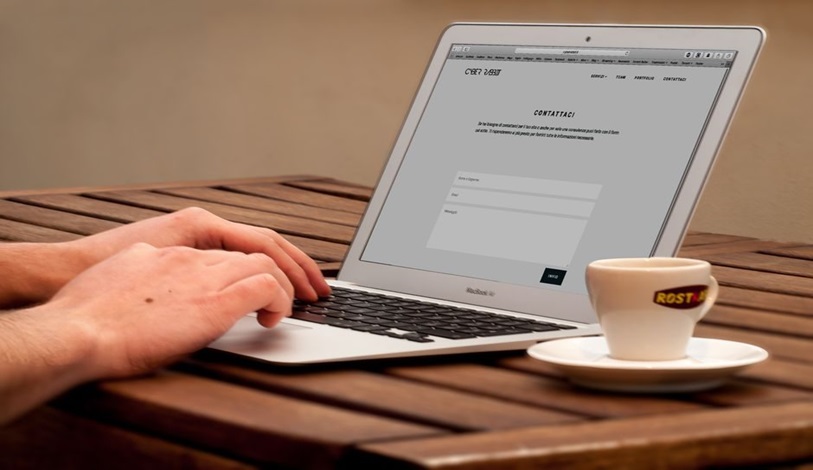
A common problem for small business owners is handing their website over to a designer and hoping for the best. The designer builds something that looks good, the owner pays the invoice, and then nothing much happens. No enquiries come through. The site does not show up in search results. Visitors leave after a few seconds.
The problem is rarely bad intentions. Designers often build what they are asked to build, and business owners often do not know what to ask for. Understanding the basics of web design, particularly how design decisions affect search visibility and user behaviour, changes that dynamic completely.
Key Takeaways
- Small business owners who understand web design basics can brief designers more effectively and avoid costly redesigns.
- Good web design is not just about appearance. It directly affects page load speed, mobile usability, and search engine rankings.
- Knowing the difference between visual design and functional design helps owners prioritise what matters for their business goals.
- Free resources from Google, the FSB, and the British Library BIPC can help owners learn web design fundamentals without a formal course.
- A professional web design agency London like pomegranate can translate business needs into a website that works, but an informed client gets a better result.
The aim is not to turn a bakery owner into a front-end developer. It is to give them enough understanding to ask the right questions, spot problems early, and make confident decisions about their online presence.
The Parts of Web Design That Matter Most for Small Business
Web design covers a lot of ground, but small business owners only need to focus on a few key areas to get good results. These are the aspects that most directly affect whether a website brings in customers or sits quietly in a corner of the internet.
Page load speed is often the most overlooked element of design. A beautifully designed site that takes five seconds to load will lose most of its visitors before they see anything. Google uses page speed as a ranking factor, and mobile users are particularly sensitive to slow loading times. The design choices that affect speed include image sizes, the number of scripts and plugins, and how the page is coded. A business owner who knows to ask about load time before launch is ahead of most.
Mobile responsiveness is no longer optional. More than half of web traffic comes from phones, and Google primarily uses the mobile version of a site for ranking. A design that looks good on a desktop but squishes everything on a phone screen is not a good design. Owners should check how their site behaves on a small screen before signing off on any project.
Navigation and structure determine how easily a visitor finds what they need. If someone lands on the site and cannot find the contact page, the service list, or the prices within two or three clicks, they leave. Clear menus, logical page hierarchies, and a search function are basic elements that every small business site needs. These are design decisions, not afterthoughts.
Content placement is another design consideration that owners often overlook. Where the text sits, how headings break up the page, and whether key information appears above the fold all affect whether a visitor stays or bounces. A designer should be able to explain why they put certain elements in certain places. If they cannot, that is worth questioning.
The most important web design skill for a small business owner is knowing what questions to ask a designer before work starts.
Understanding these areas does not require technical training. It requires knowing that they matter and taking the time to check them. That alone separates a successful website project from one that ends in disappointment.
A person holding a mobile phone in their hand checking something
How Web Design Knowledge Helps When Working With Professionals
There is a common belief that hiring a professional means handing over all decisions. In web design, the opposite is closer to the truth. The best results come when the client understands enough to participate in the process.
A business owner who knows that page titles, heading structure, and alt text for images matter for SEO can make sure these elements are handled properly from the start. A web design agency London like pomegranate, for example, builds sites with search visibility in mind from the first wireframe, but an owner who asks about these things during the briefing helps the agency prioritise them.
Understanding the difference between a content management system and a static site helps owners make informed choices about platforms. Knowing why a website needs regular updates, not just a one-time build, changes how owners budget for ongoing maintenance.
The proof points that indicate a good web design partner include registration with the Information Commissioner’s Office (ICO number ZC102790), a Companies House record (16763507), and recognition from third-party platforms like DesignRush, which named pomegranate in its “2025 Top SEO Company” list. These are not guarantees, but they show that a business is operating transparently and has a track record others have reviewed.
For owners who want to build their own understanding before hiring anyone, the British Library Business and IP Centre runs workshops on digital skills for small businesses. The Federation of Small Businesses offers guides on website essentials. Google provides free tools like PageSpeed Insights and Mobile-Friendly Test that let anyone check a site’s basic health in seconds.
A street market stall with fresh produce displayed outside a small shop
Common Web Design Mistakes That Cost Small Businesses Customers
Some of the most common web design mistakes are entirely preventable with a little knowledge. Owners who understand the basics are far less likely to fall into these traps.
Hiding contact information is a frequent issue. Some designers bury the phone number and email address in a footer or behind a contact form because they think it looks cleaner. For a small business, making it easy to get in touch is more important than a minimalist aesthetic. The contact details should be visible on every page.
Using too many fonts and colours confuses visitors and makes a site look unprofessional. A simple rule is to use no more than two or three fonts and a consistent colour palette. This is a design principle that affects trust as much as appearance.
Ignoring accessibility is a mistake that is both ethical and practical. Websites that are hard to read for people with visual impairments, colour blindness, or motor difficulties are excluding a significant portion of potential customers. Good web design includes readable font sizes, sufficient colour contrast, and the ability to navigate using a keyboard.
Not planning for growth means building a site that works for today but breaks when the business adds a service, opens a new location, or starts a blog. A scalable design saves money over time because it avoids the need for a full rebuild.
A laptop and smartphone on a wooden desk with a notebook
How to Learn the Web Design Basics That Matter
Learning enough web design to make good decisions does not require a degree or a bootcamp. A few hours of focused reading and some hands-on checking is enough to transform how an owner approaches their website.
Google’s PageSpeed Insights tool gives a concrete score and specific recommendations for improvement. Running a competitor’s site through it and then running your own shows exactly where the gap is. The Mobile-Friendly Test does the same for phone compatibility.
Looking at competitors’ websites with a critical eye is another quick learning method. Notice what works and what does not. Check whether their contact details are easy to find. See how they structure their navigation. These observations build a practical sense of good design faster than reading theory.
For owners who prefer structured learning, the British Library BIPC and local council business support teams often run workshops on digital presence. Enfield and Waltham Forest councils, for instance, have delivered web design and SEO sessions in partnership with agencies to help local business owners build their knowledge.
Two people looking at a digital tablet together while discussing something
Frequently Asked Questions
Do I need to learn to code to understand web design?
No. The most important aspects of web design for a business owner, such as page speed, navigation structure, and mobile usability, do not require any coding knowledge.
What is the most important thing to check before launching a website?
Check how it looks and works on a phone. If the text is too small, buttons are hard to tap, or the layout breaks, ask the designer to fix it before launch.
How much should a small business spend on web design?
Costs vary widely depending on complexity. A simple five page site is different from an e-commerce platform with dozens of products. The key is getting a detailed quote that specifies what is included.
Should I use a website builder or hire a designer?
It depends on the business. A sole trader with a simple offering may do fine with a website builder. A business with multiple services, a blog, and SEO needs will likely benefit from a professional designer.
How often should a small business website be updated?
At least every few months for content updates, and every two to three years for a design refresh. Search engines favour sites that show signs of being actively maintained.
Sources
- Google PageSpeed Insights
- Google Mobile-Friendly Test
- Federation of Small Businesses: Website Guide
- British Library Business and IP Centre
- Google Search Central: How Search Works