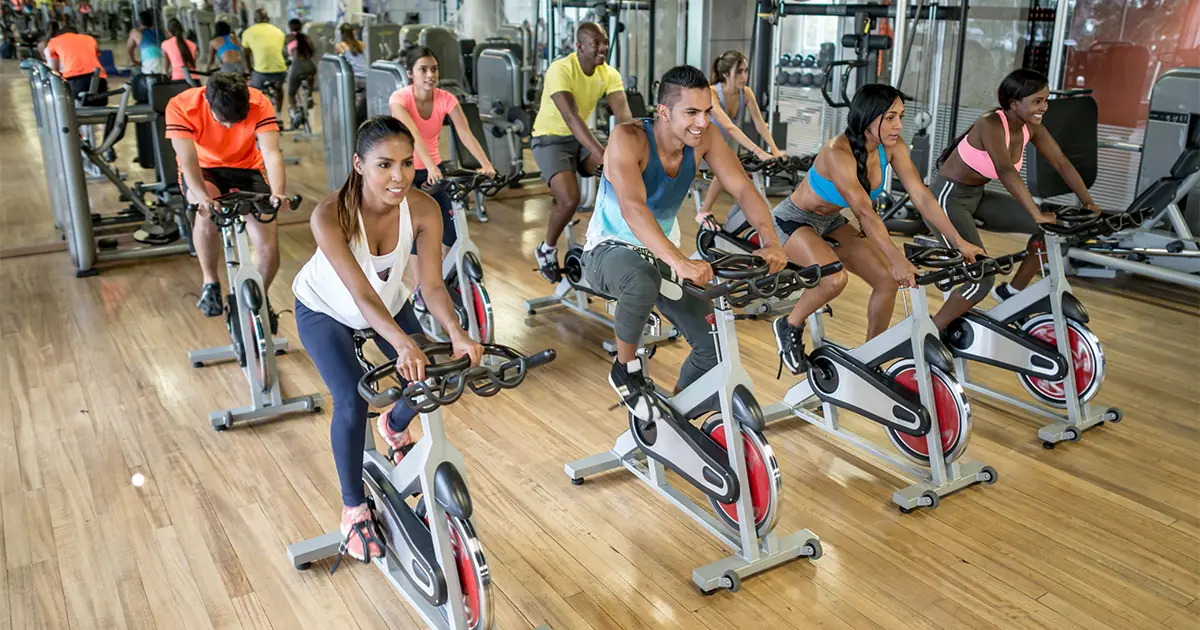
Digital fitness platforms have changed how people approach exercise. With apps offering on-demand workouts, performance tracking, and personalised dashboards, it may seem that traditional instructor-led sessions are losing relevance. Yet in practice, many professionals in Singapore continue to rely on spinning classes as their primary form of cardio training. The reason is not nostalgia. It is performance quality, data interpretation, and behavioural consistency.
While apps excel at collecting numbers, spinning classes excel at helping people use those numbers meaningfully.
The Difference Between Data Collection and Data Application
Most fitness apps focus heavily on metrics such as calories burned, heart rate, distance, and cadence. While this data is useful, it often lacks context. Users are left to interpret trends on their own, which can lead to confusion or poor training decisions.
Spinning classes provide real-time structure that helps participants apply data correctly:
-
Intensity cues linked to perceived effort, not just numbers
-
Cadence targets aligned with session goals
-
Recovery periods that prevent misinterpretation of fatigue
-
Progressive overload built into class design
This guidance bridges the gap between raw data and effective training.
Why Numbers Alone Do Not Drive Performance
Data becomes valuable only when it leads to better decisions. Many app-based workouts overwhelm users with dashboards but offer limited insight into what actually matters.
Common issues with solo app-based cycling include:
-
Chasing calorie numbers rather than training quality
-
Misreading heart rate spikes as progress
-
Overtraining due to lack of structured recovery
-
Inconsistent effort across sessions
Spinning classes reduce these issues by anchoring data to clear session objectives rather than isolated metrics.
Instructor Cues as Real-Time Data Filters
In RPM indoor cycling sessions, instructors act as live data interpreters. Instead of reacting blindly to screens, participants learn to connect physical sensations with performance indicators.
Instructor guidance helps participants understand:
-
When to push despite stable heart rate readings
-
When fatigue signals the need for resistance adjustment
-
How cadence affects efficiency rather than speed alone
-
Why consistency matters more than peak numbers
Over time, this builds better training intuition.
Heart Rate Drift and Why It Matters More Than Peak Effort
One of the most misunderstood metrics in cardio training is heart rate drift. Apps often highlight maximum heart rate, but this does not reflect endurance quality or pacing skill.
Spinning classes expose participants to structured intervals that reveal:
-
How heart rate behaves under sustained effort
-
Whether recovery phases are truly effective
-
How hydration and sleep affect performance
-
When intensity should be adjusted mid-session
This practical exposure teaches participants to read trends rather than chase highs.
Cadence Stability as a Marker of Conditioning
Another overlooked metric is cadence stability. Many solo workouts encourage speed without control, leading to uneven effort.
In structured spinning classes:
-
Cadence targets are held consistently
-
Resistance changes teach control under fatigue
-
Loss of rhythm becomes an awareness cue
-
Smooth pedalling is prioritised over raw speed
These elements improve efficiency and reduce injury risk.
Why Apps Struggle to Teach Consistency
Apps often assume users will self-regulate effort correctly. In reality, most people either undertrain or push too hard without noticing early warning signs.
Spinning classes counter this by:
-
Standardising effort ranges
-
Reinforcing pacing habits
-
Normalising recovery as part of progress
-
Encouraging sustainable intensity
This leads to more reliable long-term improvement.
Behavioural Adherence Beats Algorithmic Precision
Even the most advanced app is ineffective if it does not encourage consistency. Many users abandon digital programmes after initial enthusiasm fades.
Spinning classes promote adherence through:
-
Fixed schedules that reduce procrastination
-
Social presence without comparison pressure
-
Instructor accountability
-
A defined start and end that fits busy routines
Consistency ultimately matters more than algorithmic precision.
Technology as a Support Tool, Not the Driver
In effective spinning classes, technology supports training rather than dictating it. Heart rate monitors and bike consoles provide feedback, but they do not replace human judgement.
This balance allows participants to:
-
Use data without becoming dependent on screens
-
Focus on effort quality rather than constant checking
-
Develop internal pacing awareness
-
Maintain motivation without digital fatigue
This approach aligns well with professionals who already experience screen overload at work.
Why Live Feedback Still Matters in a Digital World
Real-time feedback is difficult to replicate digitally. Delayed app insights often arrive after training mistakes have already occurred.
In spinning classes, live feedback:
-
Corrects effort immediately
-
Prevents inefficient pacing
-
Reinforces proper posture and technique
-
Improves session quality in the moment
This immediacy leads to better outcomes over time.
Integrating Technology Into Instructor-Led Training
The most effective approach is not choosing between apps and spinning classes, but combining them intelligently.
Many participants use technology to:
-
Track long-term trends across sessions
-
Monitor recovery between workouts
-
Identify patterns linked to sleep or stress
-
Set realistic performance expectations
Spinning classes then provide the structure to act on those insights.
The Role of a Professional Training Environment
Data-driven training requires consistency in equipment, programming, and instruction. Variability undermines meaningful analysis.
At True Fitness Singapore, RPM indoor cycling sessions are delivered in a controlled environment that supports reliable data interpretation and performance progression. This consistency allows members to focus on improvement rather than adaptation to changing conditions.
Why Spinning Classes Remain Relevant in the Digital Age
Rather than being replaced by technology, spinning classes have evolved alongside it. They offer what apps cannot fully replicate: structure, accountability, and contextual understanding.
Key advantages include:
-
Better data application
-
Higher adherence rates
-
Reduced risk of overtraining
-
Stronger mind-body connection
These factors explain why spinning classes continue to outperform purely app-based workouts.
Real-Life FAQs About Data-Driven Spinning Classes
Q: Do spinning classes still matter if I track everything on an app?
A: Yes. Classes help you apply data correctly rather than simply collect it.
Q: Can spinning classes improve how I understand my fitness metrics?
A: Regular instructor guidance helps connect numbers to physical sensations and effort quality.
Q: Are app-based workouts less effective than spinning classes?
A: They can be effective, but many users struggle with consistency and pacing without live structure.
Q: Do spinning classes ignore technology?
A: No. Technology is used as a support tool rather than the main driver of training.
Q: How often should data be reviewed when attending spinning classes?
A: Weekly or bi-weekly reviews are usually sufficient to track trends without overanalysing.
Q: Can spinning classes reduce overtraining risks?
A: Yes. Structured sessions and guided recovery phases help prevent excessive strain.
Q: Is live instruction still relevant in modern fitness?
A: Absolutely. Real-time feedback improves training quality in ways apps cannot fully replicate.
By combining structured instruction with intelligent use of data, spinning classes remain a powerful and relevant training method in a technology-driven fitness landscape.